ABOUT THE WOMEN IN MINING PROJECT
Strengthening a Women-led Community of Practice -CoP for Climate Action and Environmental Justice in Western Kenya
Project focus: Women’s leadership, environmental justice, climate action, protection of human rights defenders, and gender-responsive environmental governance.
Geographical focus: Siaya, Vihiga and Kakamega counties, Kenya.
Project framework: Civil Society Democratic Governance Facility (Amkeni Wakenya II), supported through the United Nations Development Programme (UNDP).
Project Duration: May 2026 – June 2026
Women Environmental Human Rights Defenders (EHRDs) play a critical role in protecting community land, natural resources, livelihoods and environmental rights. Through community mobilisation, advocacy, documentation and engagement with public institutions, these women help communities raise concerns about environmental degradation, extractive activities and decisions that affect their lives and surroundings. However, women who speak out on environmental and climate justice issues often face intimidation, harassment, gender-based violence, digital attacks and other forms of retaliation. These challenges can undermine their safety, limit their participation in decision-making and discourage them from pursuing accountability for human rights and environmental violations. In response to these challenges, CSO Network implemented an initiative to strengthen a women-led Community of Practice (CoP) for Climate Action and Environmental Justice in Siaya, Vihiga and Kakamega counties.
The initiative focused on strengthening the capacity, collective action and protection of Women Environmental Human Rights Defenders, improving the documentation of violations, facilitating peer learning and promoting gender-responsive environmental governance and climate action. Through capacity strengthening, digital evidence documentation, collaborative learning and policy engagement, the project sought to contribute to a safer and more enabling environment in which women defenders could exercise their rights, amplify community concerns and participate meaningfully in environmental decision-making.
Why This Work Mattered
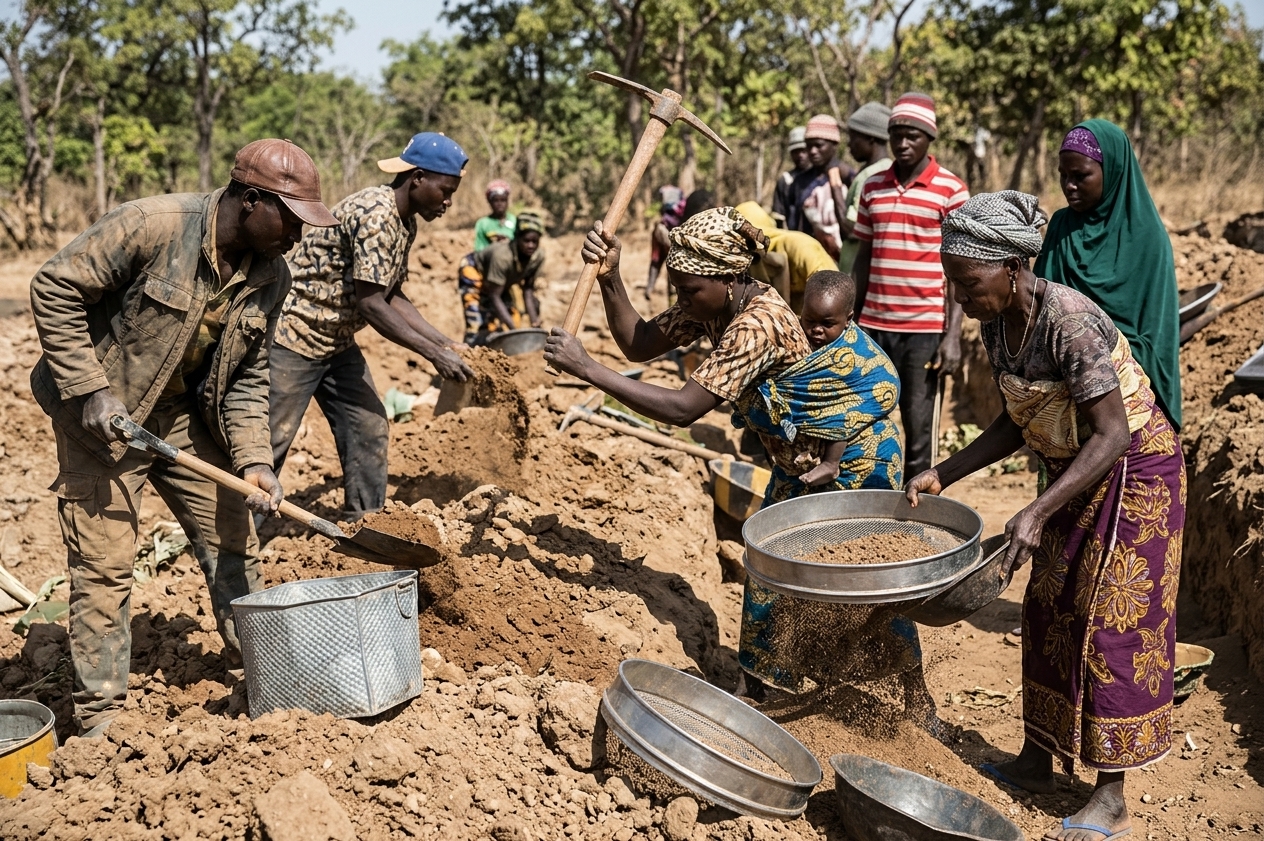
Environmental governance and climate action are closely connected to human rights, gender equality and community participation. Decisions involving land use, mining, natural resources and environmental protection can have significant implications for local communities, particularly women whose livelihoods and responsibilities are closely linked to these resources. Women defenders serve as important links between affected communities and institutions responsible for protecting rights and enforcing environmental standards. Yet their experiences, protection needs and contributions have not always received adequate attention in environmental governance processes.
The project responded to this challenge by placing women defenders at the centre of efforts to strengthen community participation, improve documentation of violations and promote accountability. By supporting women-led networks and evidence-informed advocacy, the initiative sought to ensure that women’s experiences informed policy discussions, institutional responses and environmental decision-making.
Key Areas of Intervention
1. Strengthening the Capacity of Women Environmental Human Rights Defenders
The project incorporated capacity strengthening for women defenders, with a focus on climate and environmental governance, extractive activities and mining, safety and security, documentation, referral pathways and evidence gathering. A rapid assessment was also included to identify existing groups, protection risks, available service providers and urgent cases requiring support. These interventions were designed to equip women defenders with practical knowledge and skills to document violations, identify appropriate protection and referral options, and strengthen their advocacy for environmental justice and human rights.
2. Building a Women-Led Community of Practice
The initiative supported the development of a women-led Community of Practice to provide a platform for shared learning, collaboration, collective advocacy and mutual support among defenders across the three counties. Virtual learning circles and regional peer-learning activities were incorporated to encourage knowledge exchange, strengthen relationships among women defenders and support collaborative responses to common challenges. The Community of Practice provided a framework for bringing together women’s experiences and perspectives, recognising the importance of collective action in addressing violations and advancing environmental justice.
3. Strengthening Digital Documentation and Evidence Generation
Digital documentation formed an important part of the project’s approach to addressing gender-based violations, including technology-facilitated gender-based violence (TFGBV). The initiative included the establishment of a digital evidence platform intended to support the collection and reporting of violations, improve the availability of information for advocacy and help identify emerging protection concerns. The approach highlighted the importance of responsible evidence management, confidentiality, informed consent and the safety of women defenders and survivors whose experiences may be documented.
4. Advancing Gender-Responsive Environmental Governance
The project also focused on strengthening engagement between women defenders and institutions responsible for environmental governance, climate action, human rights protection and public accountability. Policy engagement activities included the development of a policy brief to synthesise documented incidents, identify protection gaps and present actionable recommendations for county and national governments, state actors and regulators. Multi-stakeholder roundtable discussions were also part of the project’s approach to creating dialogue between women defenders and relevant duty-bearers. These interventions sought to ensure that community experiences and documented evidence informed policy discussions and contributed to more inclusive, accountable and gender-responsive environmental governance.
Who the Project Sought to Benefit
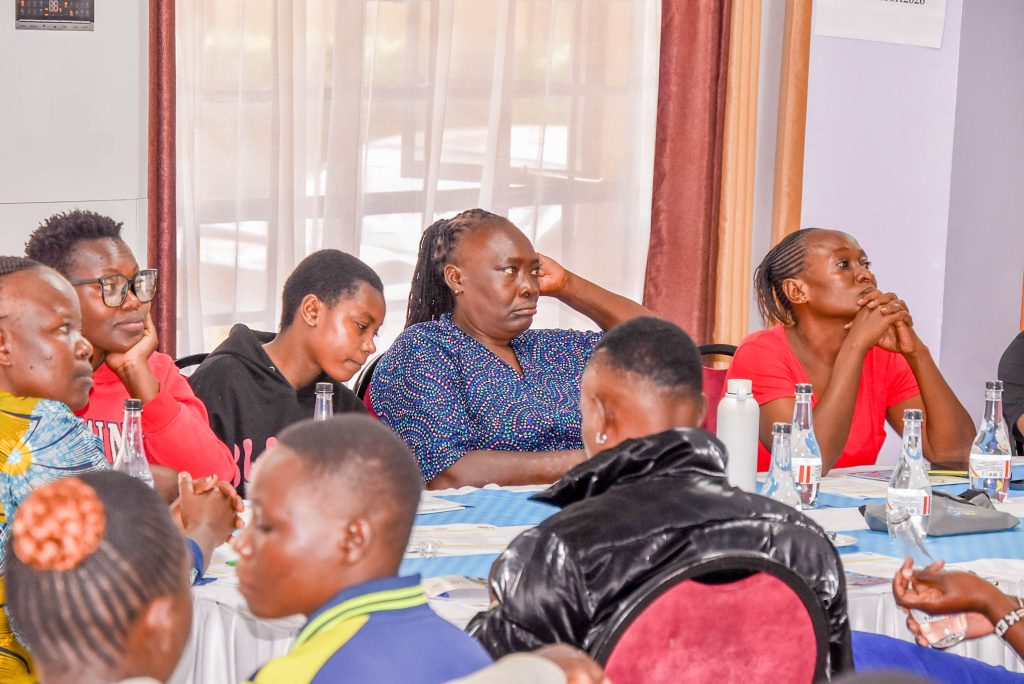
The project focused primarily on Women Environmental Human Rights Defenders working to advance environmental justice and protect community rights in Siaya, Vihiga and Kakamega counties.
Its wider intended beneficiaries included grassroots communities affected by environmental and extractive activities, survivors of human rights violations, civil society organisations and public institutions involved in environmental governance, climate action and human rights protection.
By strengthening the capacity and collective voice of women defenders, the initiative sought to support communities to raise concerns, participate in decisions affecting their environment and pursue accountability for violations.
Project Outcomes and Legacy
The project established a framework for strengthening women’s participation in environmental justice through capacity development, collective learning, digital documentation and policy engagement. Its intended longer-term contribution was to support:
- Better-equipped women defenders with knowledge and practical skills to document violations and engage in advocacy.
- Stronger collaboration and peer support among women defenders across the three counties.
- Improved documentation of gender-based violations, including technology-facilitated attacks.
- More evidence-informed advocacy on the protection of women defenders and environmental rights.
- Increased opportunities for dialogue between women defenders and relevant duty-bearers on gender-responsive environmental governance and climate action.