Strengthening the Chain of Justice: Multisectoral Training on Sexual Violence Cases.
CSO Network > Blog & News > SGBV > Strengthening the Chain of Justice: Multisectoral Training on Sexual Violence Cases.
“Forensics is key to making sure the right people are put behind bars.” – Gloria Mokua, ODPP Homa Bay
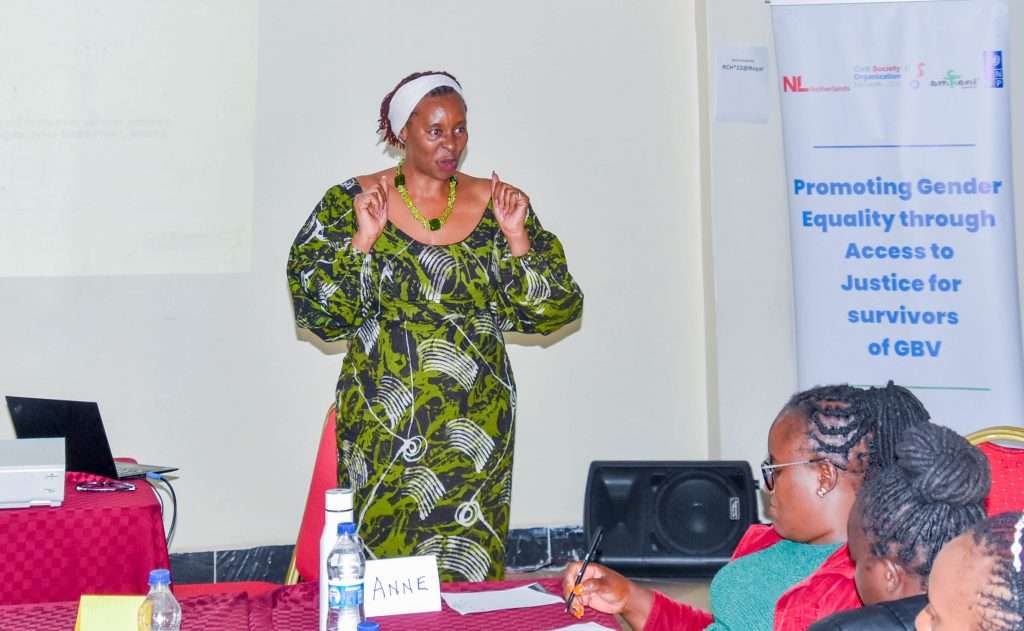
Across Kenya, many survivors of sexual and gender-based violence (SGBV) are unable to access justice—not for lack of laws, but due to fragmented, under-resourced, and often retraumatizing systems. In response, CSO Network, under the project titled “Transforming GBV Response from Policy to Action,” brought together key duty bearers in July 2025 for an intensive multisectoral training in Western Kenya.
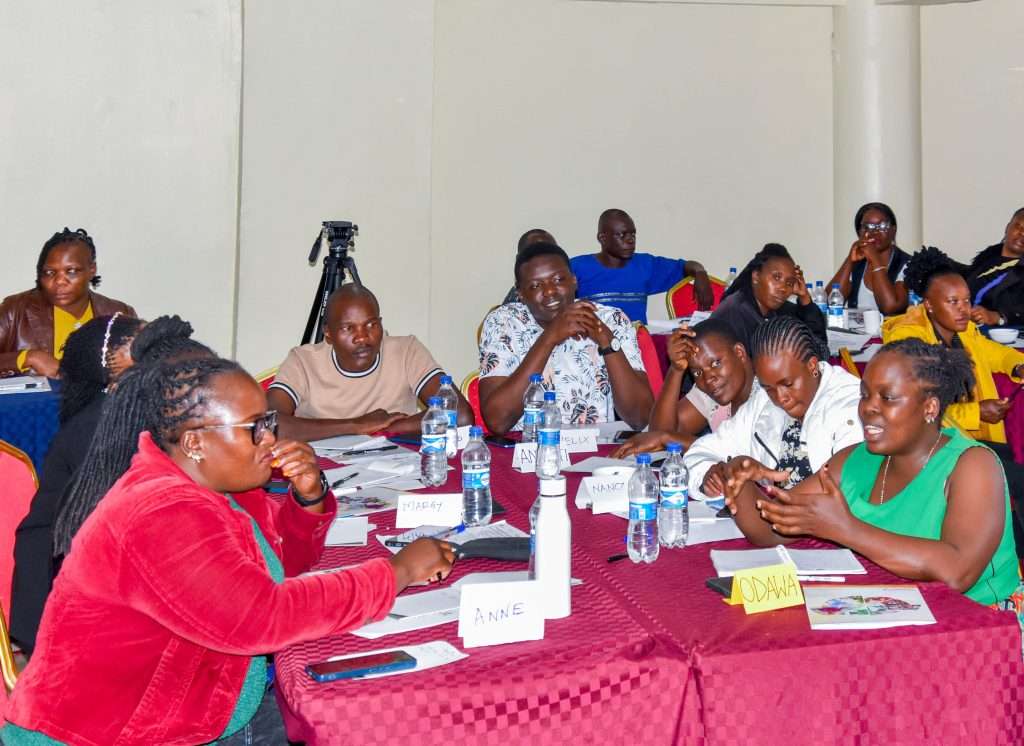
The initiative, supported by the Embassy of the Kingdom of the Netherlands and UNDP Kenya, focused on strengthening the capacity of first responders and justice actors from Kakamega, Vihiga, and Homa Bay counties. The training targeted medical professionals, police officers, public prosecutors, and judicial officers, creating a rare and much-needed space for joint learning and collaboration.
Bridging Gaps in the Justice Chain
One of the key goals of the training was to promote a survivor-centered, coordinated response across all sectors. Often, survivors encounter broken systems where trauma is compounded by poor evidence handling, untrained responders, or lack of understanding of legal procedures. The sessions were designed to shift this paradigm.
Facilitators led participants through modules on:
Legal and policy frameworks on SGBV in Kenya and internationally
Trauma-informed care and survivor-centered approaches
Medical examination and proper documentation of survivors
Forensic evidence collection and chain of custody procedures
The prosecution and trial process for sexual offence cases
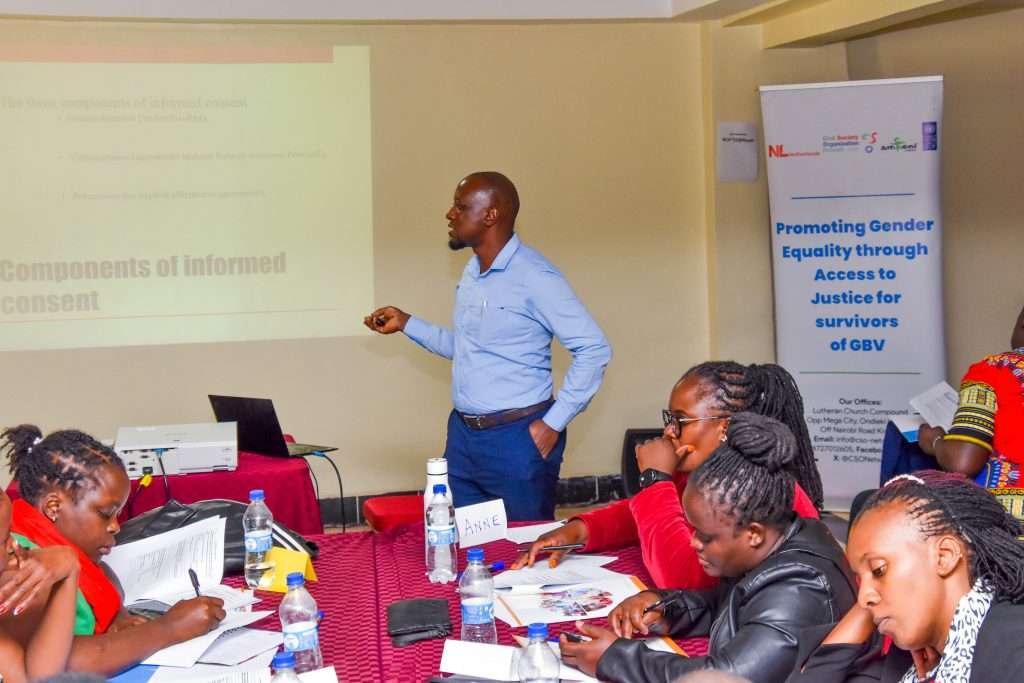
Ethics and informed consent in clinical contexts
Institutional coordination for case referrals and justice outcomes
Dr. Michael Oduor, a leading expert in forensic medicine, guided participants through ethical considerations, trauma-informed care, and proper documentation. His sessions sparked meaningful reflection, particularly around how missteps in documentation can hinder the pursuit of justice.
In a particularly compelling segment, Gloria Mokua from the ODPP Homa Bay highlighted the pivotal role of forensics:
“Forensics is key to making sure the right people are put behind bars. This training has given me tools that will directly improve how I prosecute cases involving sexual violence.”
Building Trust Across Institutions
Recognizing that policy without practice is powerless, the training created room for candid inter-agency dialogue. Judiciary officers from the Kisumu High Court offered practical insights into how survivor testimony, medical reports, and forensic evidence are weighed during sexual offence trials. Their contributions illuminated the link between front-line response and courtroom success.
In line with the project’s objective to translate policy into action, Davis Okeyo from the National Gender and Equality Commission (NGEC) underscored the legal obligations of state and non-state actors in protecting survivors. His input shed light on the intersection of law, human rights, and institutional accountability:
“Gender-based violence is not just a criminal justice issue—it’s a question of equality, dignity, and state obligation. Coordination is not a courtesy—it is a constitutional requirement.”
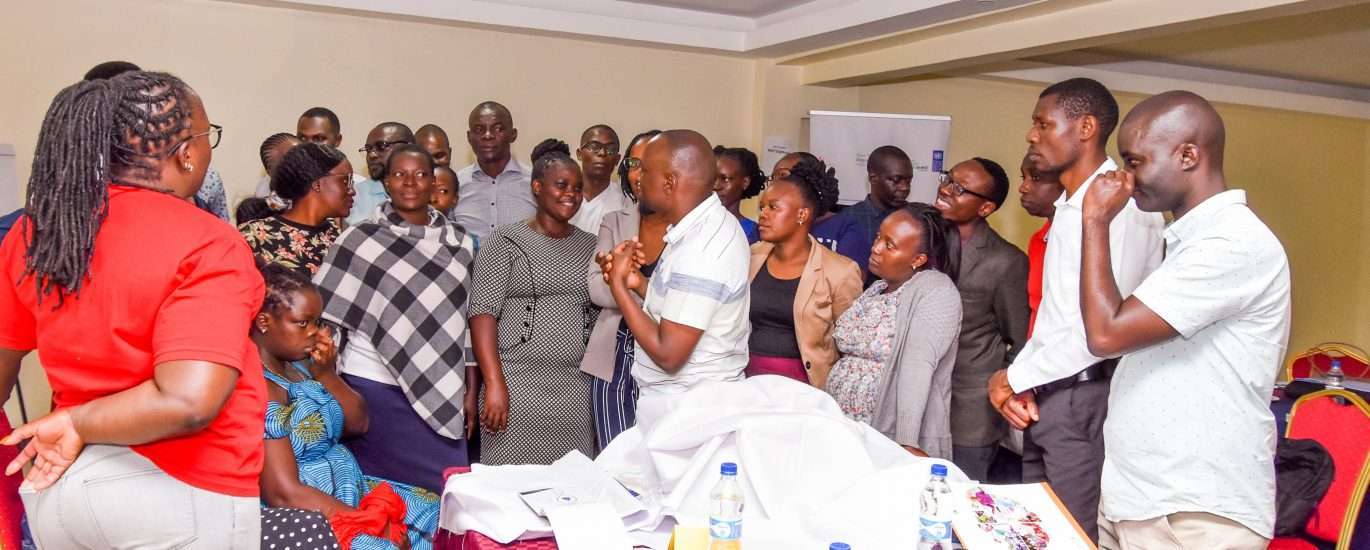
Polycarp Lutta provided practical demonstrations on handling of rape kits, forensic protocols, and documentation, reinforcing the idea that even the smallest mistake in evidence handling can compromise a case.
Healing the Healers: Addressing Vicarious Trauma
A particularly moving session addressed vicarious trauma and self-care for responders. Facilitated by Dr. Oduor, this segment reminded participants that dealing with survivors’ stories daily carries a psychological toll. Tools for resilience and emotional regulation were shared to protect the mental health of those on the frontline.
“We must take care of ourselves to take care of others. Compassion fatigue is real—but manageable if we create support systems within our institutions.”
Looking Forward: Sustaining Intersectoral Action
Throughout the training, the need to revitalize institutional coordination mechanisms—especially Court Users Committees (CUCs) and Gender Sector Working Groups—was emphasized. These spaces, when functional, provide pathways for timely referrals, collaborative problem-solving, and survivor protection.
The training closed with renewed commitments from participating officers and professionals to continue collaboration beyond the training room—bringing back insights to their respective counties and institutions, and ultimately reshaping the experience of justice for survivors.
From Policy to Action — One Survivor at a Time
The “Transforming GBV Response from Policy to Action” project continues to strengthen grassroots and institutional capacity to respond to SGBV across Kenya. By equipping health workers, police, prosecutors, and judges with the tools to respond with dignity, precision, and coordination, CSO Network is building a system where justice is no longer a distant ideal—but a lived experience for survivors.
Appreciation goes to @NLinKenya and @UNDPKenya for supporting this essential work.